
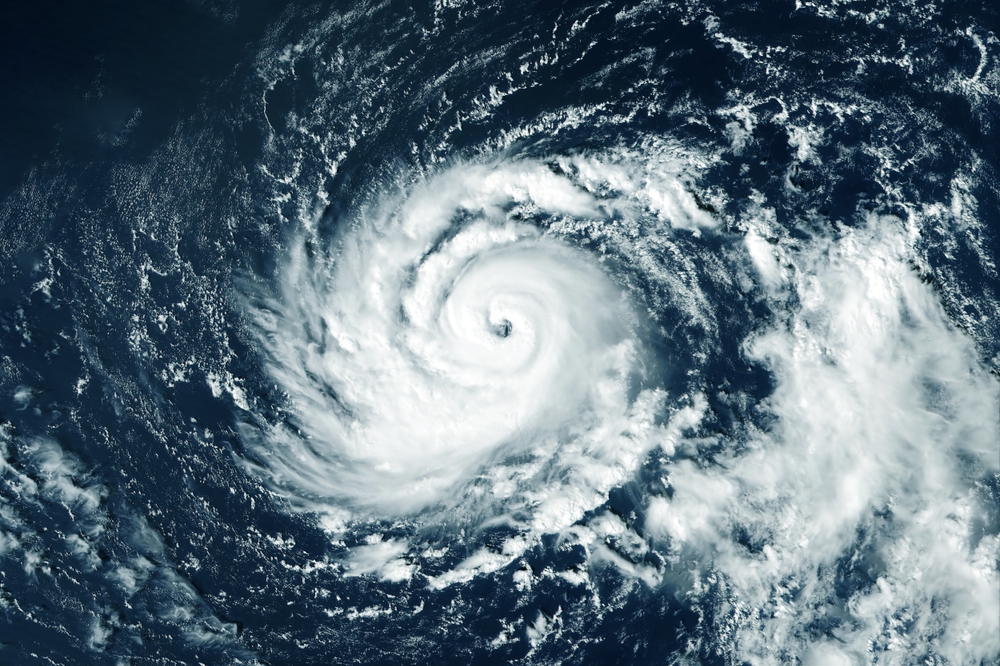
In the aftermath of a hurricane, property insurers often assume recovery prospects are non-existent. However, if there was recent work performed at the property, there may be subrogation potential. Recent roof work is often a major factor in exploring subrogation potential. With respect to a failed roof after a storm, the subrogation evaluation involves three main inquiries. First, was the roof recently repaired or replaced? Second, did the roof fail during conditions that it should have withstood? Finally, can you separate the damages that were caused or exacerbated by the roof failure as opposed to those that would’ve occurred regardless during the storm?
1. Recent Roof Work
Many states have a statute of repose for construction defects occurring in improvements to real property. In Florida, the statute of repose for construction defects is seven years. The first inquiry is to determine whether the roof was repaired or replaced during the repose period.
2. Wind Speeds: Code Requirements vs. Actual Conditions
The major analytical factor is the applicable building code at the time of the roof repair or replacement. Modern codes establish minimum wind resistance standards based on geographic wind zones, exposure categories, and building characteristics. In hurricane-prone regions such as coastal Florida, roofs are typically required to withstand substantial uplift forces corresponding to specific design wind speeds.
Subrogation viability often turns on a straightforward but highly technical comparison:
- What wind speeds was the roof system required to withstand under the governing code?
- What wind speeds actually impacted the property during the storm?
Meteorological data, forensic engineering analysis, and sometimes even localized wind modeling are critical here. If the recorded or reliably estimated wind speeds at the property fall below the design threshold, an insurer has a strong argument that the roof should have remained intact.
3. Separating Storm Damage from Construction Defects Resulting Damage
A central challenge in these cases is disentangling damage caused solely by the hurricane from damage attributable to a defective roof. Damages attributable to the defective roof likely include the roof itself, but may also include a portion of the water intrusion and resulting damages to the interior of the structure.
This requires a careful, often expert-driven allocation of damages:
- Storm-Driven Damage (Generally Not Recoverable): Damage that would have occurred regardless of roof integrity—such as flooding, window breaches from windborne debris, or structural failures caused by extreme wind loads exceeding design limits.
- Roof Failure-Driven Damage (Potentially Recoverable): Damage to the roof itself, interior water intrusion, insulation damage, mold development, and contents loss directly resulting from the roof’s inability to perform within its expected wind tolerance.
Forensic engineers play a key role in identifying installation deficiencies, such as improper fastening patterns, inadequate underlayment, failure to comply with manufacturer specifications, or deviations from code-mandated uplift resistance. Photographic evidence, core samples, and uplift testing can all support the conclusion that the roof system was deficient. For establishing provable damages, building consultant reports or adjuster estimates can be authored in such a way to delineate between recoverable and non-recoverable damages.
4. Causation Is the Case
Ultimately, these claims succeed or fail on causation. It is not enough to show that the roofer performed substandard work; the insurer must connect that deficiency directly to identifiable damages that would not have occurred but for the defective installation.
Well-developed subrogation cases often present a layered narrative:
- The roof was required to withstand X mph winds.
- The property experienced Y mph winds (where Y < X).
- The roof failed due to specific, provable installation defects.
- That failure allowed water intrusion and resulting damages that would otherwise have been avoided.
5. Practical Considerations
Timing is critical. Early site inspections, preservation of evidence, and coordination with experts can make or break the claim. Contracts, warranties, and any prior repair history should also be reviewed for indemnity provisions or limitations that may affect recovery.
Conclusion
Hurricanes may be acts of nature, but the resulting damage is not always beyond human responsibility. When a roof fails under conditions it was required by code to withstand, subrogation offers insurers a meaningful opportunity to shift the loss back to the responsible party. The key lies in rigorous analysis—grounded in code, engineering science, and careful consideration of damages—to demonstrate that the storm was only part of the story.