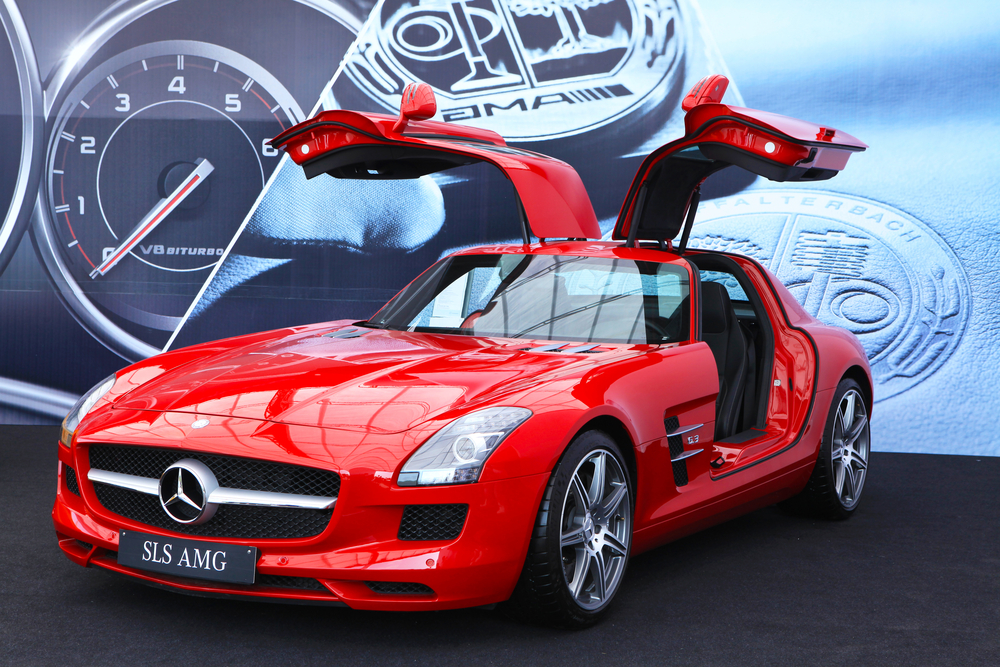
When luxury or collector vehicles are placed on consignment for sale, the lines of responsibility can become blurred if a loss occurs. This blurred line was illustrated in a recent claim involving two Porsche 911 GTS GT3 RSs valued at nearly $500,000. Both vehicles were on consignment when a fire occurred overnight, damaging multiple vehicles in the showroom. Evidence suggests that the fire originated in another vehicle on the premises, a Mercedes-Benz SLS AMG. Aside from potential liability on the vehicle owner and/or manufacturer, we evaluate whether the dealership can be held liable for this loss. Here, the consignment agreement included a broad disclaimer along the lines of “the dealership is not responsible for any damage no matter who is at fault.” This raises a critical question: When a vehicle is on consignment, who bears the risk of loss?
Under most consignment arrangements, title and ownership remain with the vehicle owner, while possession transfers to the dealer. Unless the agreement explicitly shifts risk, the consignor (vehicle owner) generally bears the risk of loss. However, liability may still arise for the dealer if its negligence contributed to the loss (for example, inadequate fire protection, unsafe storage, poor supervision, improper acts/omissions of dealership personnel, etc.).
For subrogation professionals, this underscores the importance of reviewing consignment contracts early and, of course, preserving physical and video evidence immediately. Even when a dealer claims immunity through the contractual language, negligence findings and/or ambiguous clauses in the contract should still be explored for potential recovery avenues against the dealer.