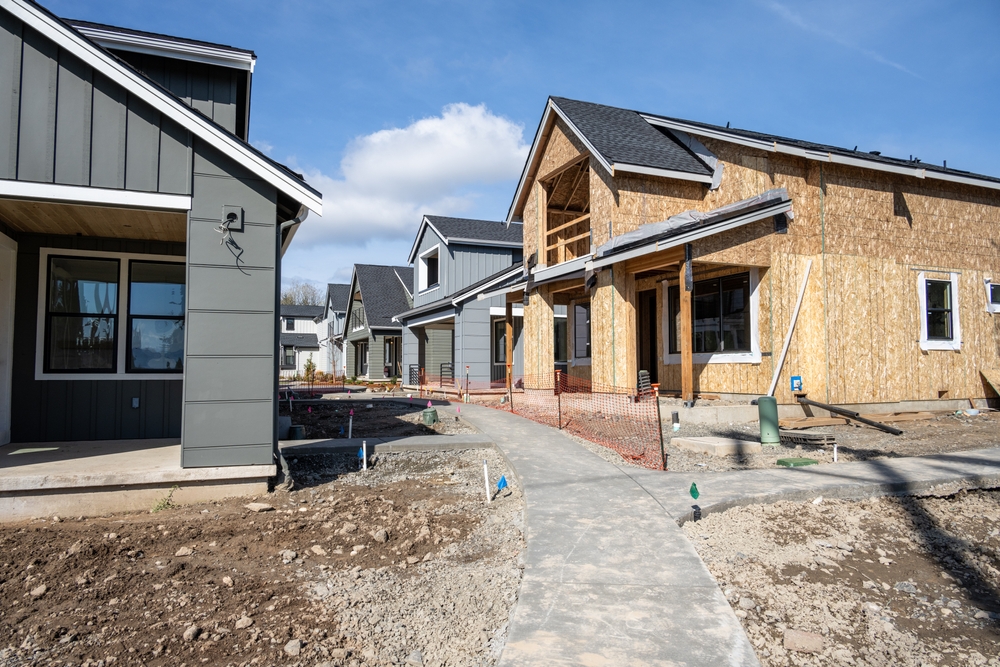
SB 800, California’s Right to Repair Act, establishes prelitigation procedures and standards for residential construction defect claims to streamline resolution between homeowners and builders. Before filing a lawsuit, the SB 800 requires homeowners to provide builders with written notice and an opportunity to repair construction defects. Because subrogation is derivative, insurers must ensure compliance with these requirements to protect their recovery rights.
The Act only applies to new single-family homes, condominiums, townhomes, and common-interest developments sold on or after January 1, 2003. Given California’s 10‑year statute of repose for improvements to real property though, claims generally must arise within 10 years of substantial completion.
Setting forth a step-by-step claim process, the SB 800 aims to avoid unnecessary litigation. Key notice and timeline requirements are listed below:
- Homeowner Notice: Upon discovery of the defect, the homeowner must send written notice to the builder describing the defect in detail.
- Builder Response: The builder has 14 days to acknowledge the claim and offer to inspect.
- Inspection: If requested, the inspection must occur within 14 days of acknowledgment. A second inspection may be requested for good cause but must be completed within 40 days of the first inspection.
- Offer to Repair: Within 30 days of the inspection(s), the builder must offer to repair or pay equivalent damages.
- Homeowner Response: Within 30 days of the builder’s offer, the homeowner must accept, reject, or request alternative contractor’s proposals.
- Mediation: Either party can request a mediation if an agreement cannot be reached.
- Litigation: Only in the case of non-compliance by one of the parties.
If the builder fails to comply with the deadlines set forth in the SB 800, the homeowner may proceed with litigation. Conversely, if the homeowner fails to follow the SB 800, they could be barred from pursuing any claims against the builder. An insurer stepping into the insured’s shoes inherits these compliance requirements and could also be barred for non-compliance.
Insurers must account for SB 800 from the outset of any subrogation investigation. This includes preserving the scene early, communicating clearly with insureds about timelines, coordinating builder inspections within statutory windows, and documenting notices, inspections, and offers. While adherence to the Act’s requirements may prolong the claims process, it is critical to preserving subrogation rights.
The laws regarding these pre-litigation procedures for construction defects can be found in California Civil Code sections 910-938 (https://leginfo.legislature.ca.gov/faces/codes_displaySection.xhtml?sectionNum=910.&lawCode=CIV).