Subrogated insurance carriers have historically had success achieving recoveries in the automotive industry for property damage or diminution in value involving “conventional” defects, such as a faulty design which make a vehicle susceptible to a fire or improper activation of airbags. Advanced vehicle technologies present other, new opportunities for recovery, especially in the right case.
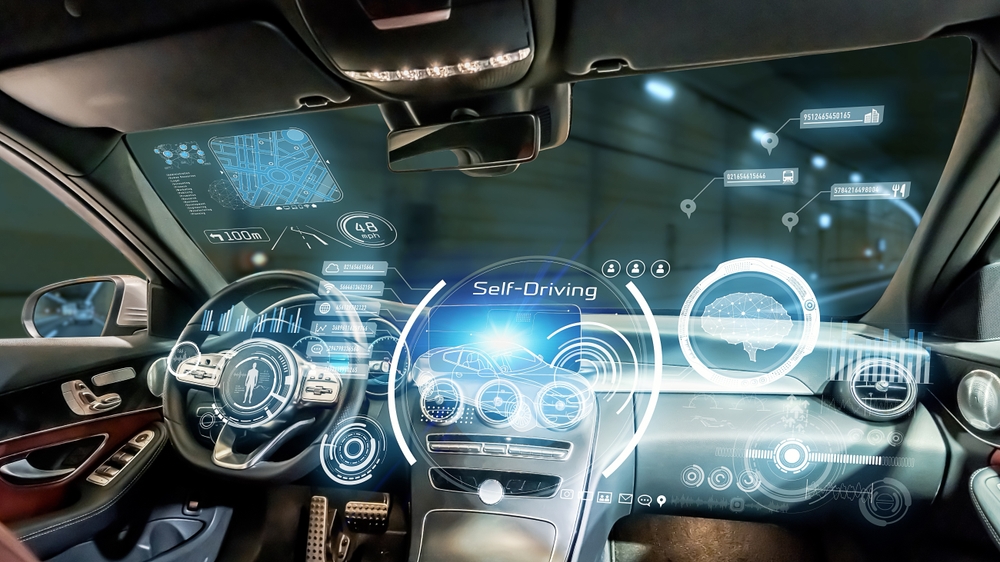
Advanced driver assistance systems (“ADAS”) features—such as automatic emergency braking, lane‑keeping assist, adaptive cruise control, and collision avoidance systems—are now standard in many vehicles. Similarly, some vehicles now have self-driving features. When functioning properly, these systems can prevent or mitigate losses. Their failure, however, or the omission of these technologies from a vehicle in the first place, can lead to disastrous outcomes and introduce a new class of potentially liable parties beyond the human driver.
There are several considerations for a subrogation professional to evaluate when analyzing a loss potentially involving advanced vehicle technologies:
-Identify the specific technologies that the vehicle was equipped with. Did the ADAS technologies function as designed during the crash event? If not, why not? If so, why was that not sufficient to prevent the crash? Did the system fail to prevent a foreseeable crash that it was designed to avoid?
-Preserve all evidence. This includes the vehicle and all of the technical data contained in the vehicle itself. This may be stored in unconventional places, such as the infotainment system, and may be complicated to extract. Hire a qualified expert to download and evaluate all of the relevant data.
-Investigate vehicle history. Did a third party previously repair the vehicle in a manner which may have disabled, damaged, or mis-calibrated a sensor that could have prevented the crash?
-If the vehicle was not equipped with ADAS but could have been feasibly equipped with these technologies, would the presence of ADAS have prevented the crash? This can be fact-intensive, and testimony from the driver will be critical to this point.
-Identify potential subrogation targets.
This is not an exhaustive list. Indeed, ADAS-related losses often involve complicated investigations into vehicle and sensor data, software performance, maintenance history, and even warnings and marketing materials. Expert testimony, potentially from multiple experts, may be needed. The cost inherent in pursuing these technical complex cases is likely not warranted for small claims. While the vast majority of litigation over these issues are in the context of catastrophic personal injuries and wrongful death, the underlying theories of liability translate directly to property damage subrogation cases too. So, for subrogation cases involving large losses (a crash involving an expensive vehicle, or a vehicle crashing into a structure, for example), careful handling by a subrogation professional and selection of the right experts is crucial to a successful recovery in this emerging field.