The National Fire Protection Association is developing a new standard for indoor marijuana cultivation facilities. Aptly named, NFPA 420 aims to address the unique fire and life safety challenges of cannabis facilities and protect the occupants, property, and first responders from fire and related hazards of cannabis growing and processing.
The focus of NFPA 420 is to “create a roadmap for an industry that is growing quickly and with limited guidance,” according to Melinda Amador, Project Engineer at CodeNext, Inc. in Toronto, Canada. Ms. Amador chairs the technical committee responsible for developing NFPA 420, which is comprised of manufacturers, installers, insurance representatives, code enforcers, and other industry experts. Her work focuses on fire protection and life safety consulting for building and fire code adherence. She was previously involved in the development of cannabis industry standards, including the International Organization for Standardization (ISO) IWA 37, which covers safety, security, and sustainability of cannabis facilities and operations.
Speaking on her own behalf and not as a representative of NFPA, Ms. Amador explained that for those new to the industry or unfamiliar with codes, it can be difficult to capture all of the safety obligations and meet the minimum marks for fire protection. “Unless they are coming in with a great team that is really comfortable with the process and aware of all of the various risks with dusts and growing and solvents and post production types of applications, operators are fending for themselves to figure out what applies.” Several different standards may apply. Certain standards may appear to fit, but are not suitable to the scale of a particular facility. Therefore, NFPA 420 seeks to provide a starting point.
The boundaries created by NFPA 420 are meant to be reasonable, not overly restrictive. Ms. Amador stated:
The codes are the minimum standard. This is the lowest bar of performance. This is the very minimum of what we are expecting across the board as a baseline for the industry. Any of the codes are not best suited to every single industry. The intention with [NFPA] 420 is that it is better suited towards the specific industry, but there is always room to exceed the minimums.
Although NFPA standards are not law, they may be adopted into law. The City of Denver, Colorado has adopted several NFPA standards, including NFPA 13 (fire sprinkler systems) and NFPA 72 (fire alarm systems). Thus, NFPA 420 may become law in a city with hundreds of licensed marijuana growing facilities. Until then, it will serve as a useful guideline, improve safety, and establish a standard of care.
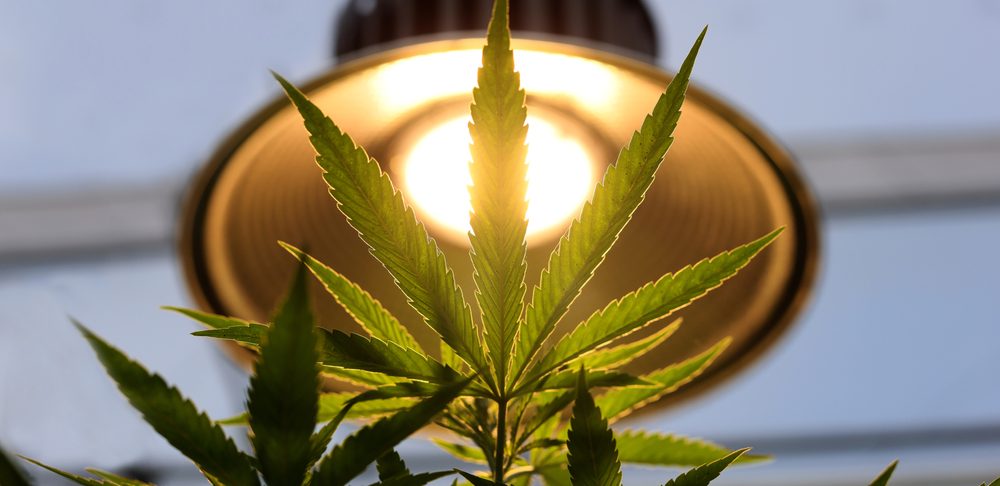
From a subrogation standpoint, NFPA 420 yields the potential to be a valuable tool in handling cases involving fires and explosions from marijuana growing facilities. The preliminary draft has been published by NFPA as a proposed standard and has undergone the first round of public input. The preliminary draft is subject to change and further revision by the NFPA technical committee. The preliminary draft includes language to require that horticultural lighting be listed and labeled in accordance with CAN/ULC 8800, Horticultural Lighting Equipment and Systems, and installed in accordance with NFPA 70, the National Electric Code. If adopted as written in the preliminary draft, the implementation of NFPA 420 may further assist in collection of evidence and evaluation of equipment involved in fires. Records of inspections, testing, calibration, and maintenance from the past three years must be maintained in a logbook on the premises and available for inspection. In addition, the preliminary draft of the proposed standard seeks to improve training for employees of cannabis processing facilities by requiring that they be trained “at least annually” in the safe operation and termination of the processes and equipment utilized by the facility. In sum, the proposed standard includes language that calls for safer lighting, as well as improved recordkeeping and training. These mandates will not only help prevent fires before they start, but strengthen post loss analysis.
The first draft of the proposed standard was posted for public comment through January 7, 2025. The technical committee will review the input this spring and publish a second draft for public comment later this year. Stakeholders are encouraged to participate in the process. “The document that we are generating is only as good as the input that we are going to be receiving,” said Ms. Amador. “[Public] input is so valuable in making this a consensus-based industry standard.” Publication of the final edition of NFPA 420 is slated for 2027.